Holding Back the Tide
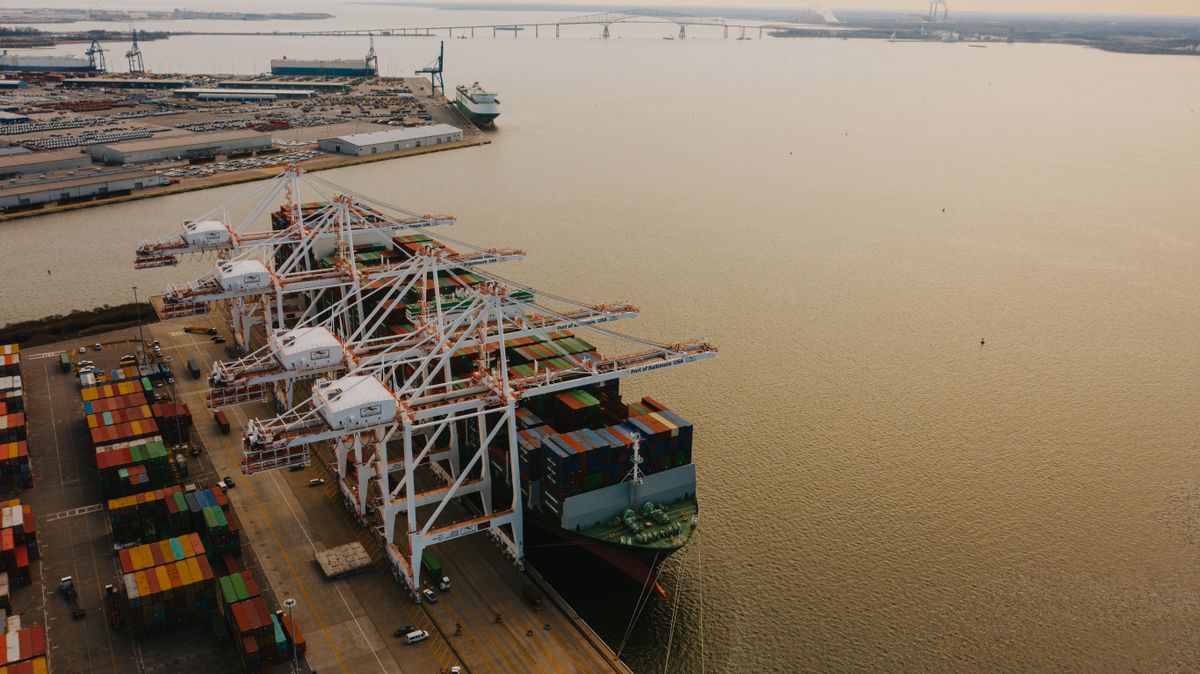
The ports and marine sector represents the ultimate test of structural endurance. Massive Ship-to-Shore (STS) cranes, quay cranes, straddle carriers, rubber-tyred gantry (RTG) cranes and ship-board lifting gear face a relentless combination of heavy cyclic loading and highly aggressive saline corrosion. At busy container terminals such as Port Botany in Sydney, the Port of Melbourne and Fremantle in Western Australia, a single hour of unplanned downtime can cost a terminal operator dearly.
Cranes Australia provides specialised crane inspection, load testing and engineering services for the maritime sector. We understand the complex jurisdictional overlap between state SafeWork regulators, the national WHS framework administered through SafeWork Australia, and the Australian Maritime Safety Authority (AMSA). From container spreaders and stevedoring gear to towering port gantries, we keep your assets compliant, safe and operational in the harshest coastal environments — backed by NATA-accredited non-destructive testing (NDT) and chartered engineering sign-off.
Regulatory Environment
- AMSA Marine OrdersMarine Order 32 (Cargo handling equipment)
- AS2550 SeriesSafe use of land-based port cranes and hoists
- AS1418 SeriesDesign and manufacture of cranes and hoists
- WHS / SafeWork AustraliaHarmonised Work Health & Safety obligations
- Port Authority RulesCompliance with specific terminal operator standards
Marine Lifting Compliance for Australian Ports & Terminals
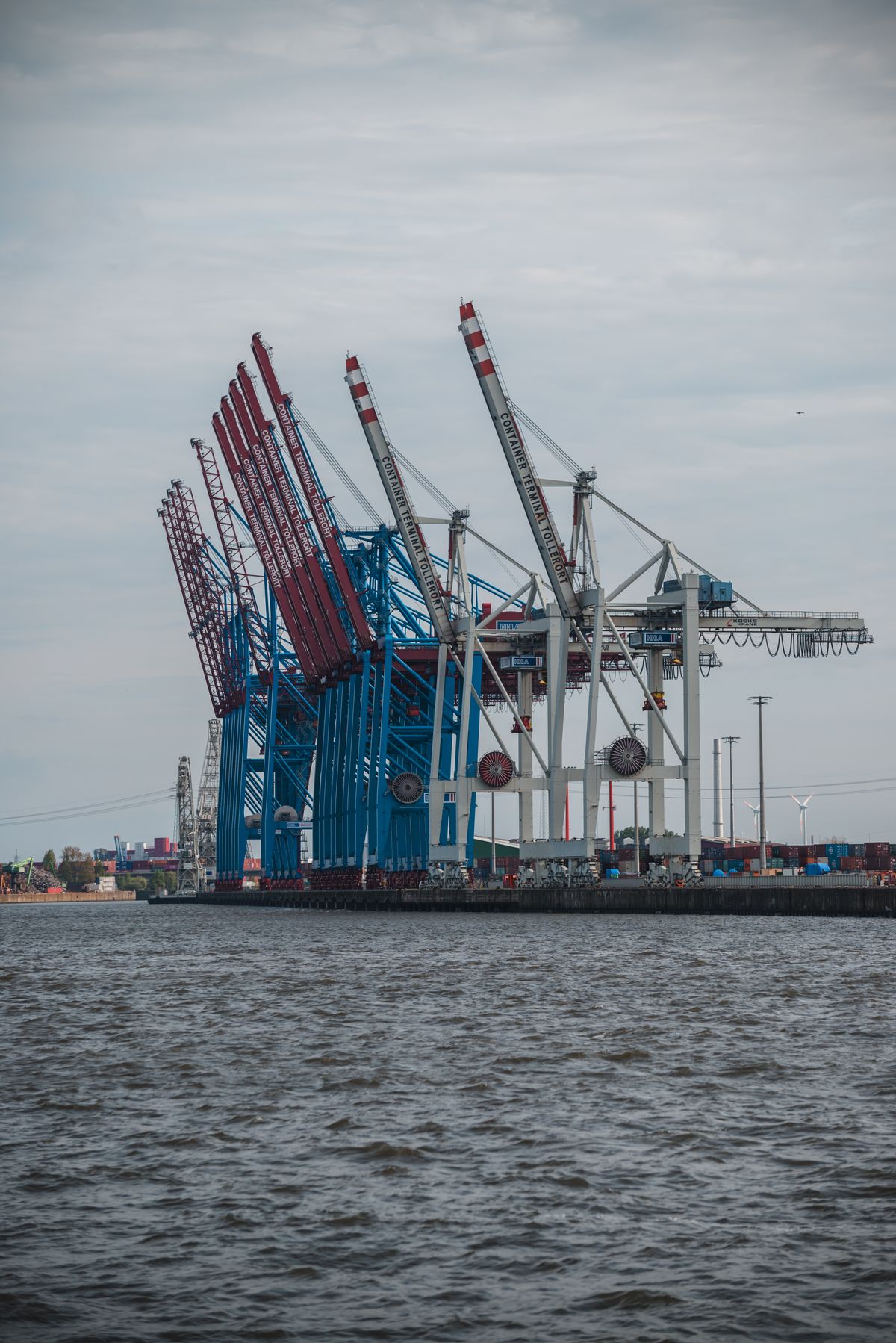
Australia's container terminals, bulk berths and roll-on/roll-off wharves depend on some of the largest lifting machinery in the country. Ship-to-shore (STS) quay cranes lift laden 40-foot containers thousands of times per week, while straddle carriers and gantry cranes shuttle boxes across paved yards at Port Botany, the Port of Melbourne, Fremantle, the Port of Brisbane and Port Adelaide. Every one of these assets is exposed to a coastal atmosphere that drives relentless corrosion and metal fatigue — the two failure mechanisms that most often threaten structural integrity in the marine environment.
Cranes Australia delivers a complete inspection, testing and engineering program built around the Australian Standards that govern this equipment: AS1418 for crane design and manufacture, AS2550 for safe use and in-service inspection, and AS4991 for lifting devices. Our multi-disciplinary teams combine level II and level III NDT technicians, dogging and rigging specialists, and registered and chartered engineers so that findings translate directly into defensible compliance documentation.
Ship-to-Shore & Gantry Crane Inspection
STS quay cranes and RTG/RMG gantry cranes are inspected against AS2550.1 and AS2550.5, covering the boom, tie-back stays, forestay ropes, trolley girders, portal legs and machinery house. Routine inspections verify day-to-day safe use, while the 10-year major inspection — a structural and engineering deep-dive mandated for older cranes — requires ultrasonic and magnetic-particle NDT on critical welds, wire rope discard assessment, and a documented remaining-life calculation. We plan these works around live terminal operations, sequencing one crane at a time to protect throughput.
Corrosion, Fatigue & NDT
In coastal Fremantle, Darwin and Townsville, salt-laden air attacks steel far faster than in inland industrial settings. We deploy calibrated ultrasonic thickness gauges to map section loss beneath marine paint systems, use magnetic particle inspection (MPI) and dye-penetrant testing to detect surface-breaking fatigue cracks, and apply phased-array ultrasonic testing (PAUT) to interrogate high-stress welded connections. All non-destructive testing is carried out to NATA-accredited procedures so results stand up to regulator and insurer scrutiny.
Load Testing & Certification of Lifting Gear
Proof load testing confirms that a crane or item of lifting equipment can safely carry its rated capacity. Using calibrated water-bag load cells and dynamometers, our teams perform proof load and overload tests on quay cranes, mobile harbour cranes and heavy-lift spreaders on-site, at the wharf. Every stevedoring hook, twist-lock spreader and container beam is then certified in line with AS4991 and AS1418, with test certificates, tag registers and engineer sign-off issued as a complete compliance package.
Coast-to-Coast Response
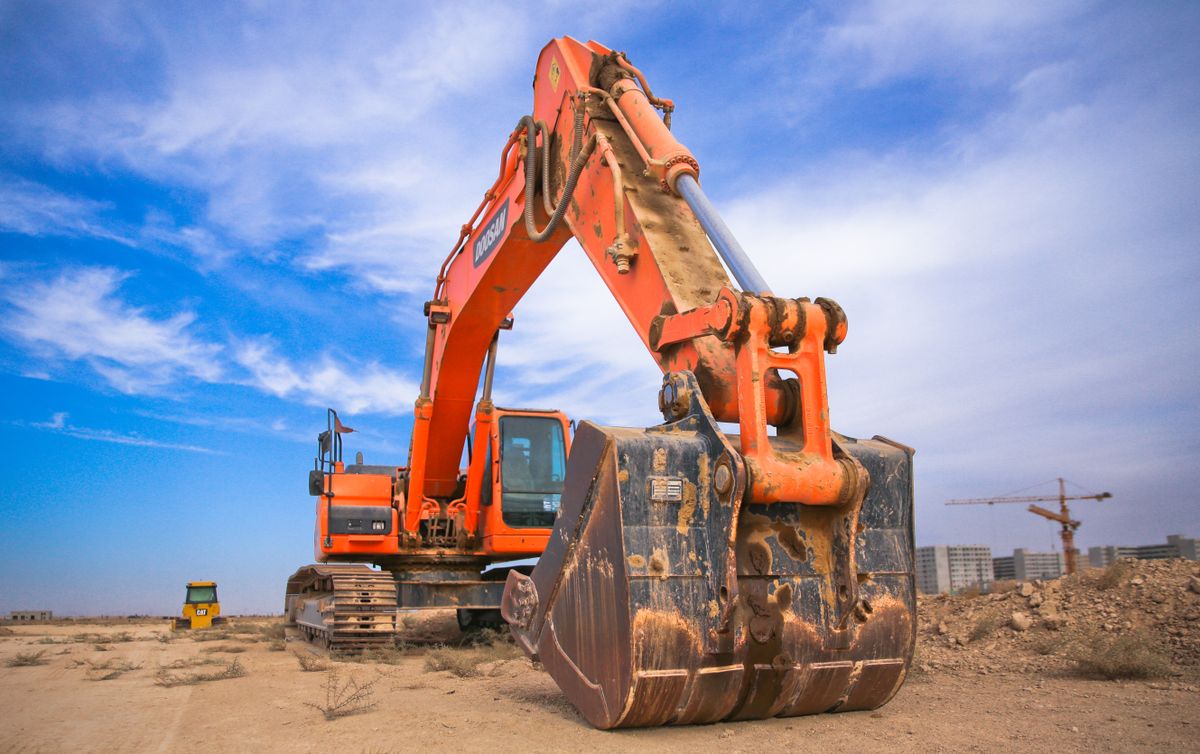
Mobilised teams service ports and marine facilities from Sydney and Newcastle to Melbourne, Brisbane, Fremantle, Adelaide, Hobart and Darwin — minimising downtime with tightly scheduled inspection windows.
Key Challenges
The environmental and operational friction in maritime lifting — and how we engineer around it.
Aggressive Corrosion
Saltwater and salt-laden air accelerate steel degradation across quay cranes and gantries, hiding severe structural weakness beneath marine coatings and paint systems.
Jurisdictional Overlap
Port assets straddle the line between state SafeWork regulations, national WHS harmonisation and federal AMSA maritime orders.
Continuous Operations
Ship-to-shore (STS) cranes operate around the clock at container terminals. Scheduling downtime for major inspections demands extreme logistical precision.
Fatigue & Cyclic Loading
Repetitive high-tonnage lift cycles drive metal fatigue in booms, trolley girders and rope reeving systems long before visible failure appears.
Heavy-Lift Spreaders
Twist-lock spreaders, telescopic beams and stevedoring lifting gear require proof load testing and certification to remain compliant under AS4991.
10-Year Major Inspections
AS2550.1 mandates major structural inspections that require detailed engineering assessment, NDT and remaining-life calculations.
Services for Ports & Marine
A complete crane inspection, load testing and engineering program defending your assets against fatigue and corrosion.
Port Crane Inspections
Statutory routine and periodic inspections for Ship-to-Shore (STS), RTG and RMG gantry cranes to AS2550 and AS1418.
Explore ServiceCorrosion & Asset Integrity
Ultrasonic thickness testing, corrosion mapping and structural integrity assessments across marine steelwork.
Explore ServiceMarine Lifting Gear
Certification of heavy-lift spreaders, container hooks and stevedoring equipment to AS4991 and AS1418.
Explore Service10-Year Major Inspections
Comprehensive AS2550.1 major inspections with NDT, engineering review and remaining-life reporting.
Explore ServiceProof Load Testing
On-site proof load and overload testing of quay cranes and lifting appliances using calibrated water bags and load cells.
Explore ServiceEngineering Services
Chartered and registered engineer assessments, fatigue analysis and structural repair procedures for port assets.
Explore ServiceCrane inspections completed annually
Design & AS2550 in-service compliant
Accredited NDT & testing methods
States & territories serviced

Port Crane Inspections Australia-Wide
Local inspection and engineering teams servicing every mainland port and marine terminal across Australia.
Why Cranes Australia?
Deep expertise navigating overlapping AMSA Marine Orders, WHS and state SafeWork requirements.
NATA-accredited NDT — ultrasonic thickness testing, MPI and PAUT — to map internal corrosion and fatigue cracking accurately.
Registered and chartered engineers experienced in the unique fatigue profiles of Ship-to-Shore and gantry cranes.
On-site proof load testing and certification of heavy-lift stevedoring spreaders and lifting gear at the wharf.
Qualified dogging and rigging crews integrated into every inspection and testing program.
Scenario in Action
"A major Port Botany container terminal required 10-year major inspections on four Ship-to-Shore gantry cranes, but could only spare one crane at a time for five days each. Cranes Australia formulated a high-speed NDT and engineering review plan — combining drone visual inspection, targeted phased-array ultrasonic testing on the boom hinge welds, ultrasonic thickness mapping of the portal legs and wire rope discard assessment — completing full AS2550.1 certification within the tight operational windows and returning every crane to service on schedule."
Frequently Asked Questions
Keep Your Port Cranes Compliant & Operational
Partner with Cranes Australia for statutory crane inspections, proof load testing, corrosion assessment and AS2550 / AS1418 engineering certification across every Australian port and marine terminal. Talk to our team about scheduling your next inspection around live operations.
Request an Inspection